

Oats dosa has emerged as a modern, healthier alternative to the traditional South Indian dosa. In many kitchens, the classic dosa made from rice and urad dal is loved for its crispiness and taste. However, with growing health awareness, people are exploring nutritious options without compromising flavor. One such innovation is the oats dosa, which combines the goodness of oats with traditional South Indian flavors.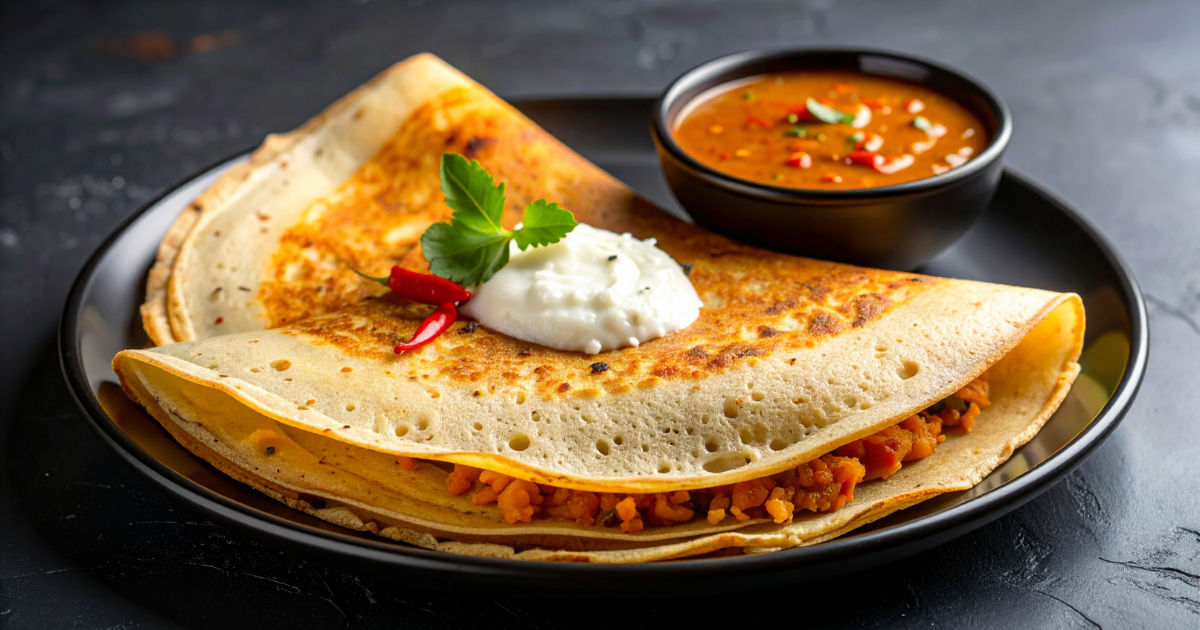
This recipe has gained immense popularity not only for its health benefits but also for its ease of preparation. People visiting popular eateries like Mirchili Karachi have experienced how oats can be transformed into a delicious, crispy, and protein-rich dosa.
For those who are looking to enjoy their favorite breakfast while keeping an eye on nutrition, oats dosa is the perfect choice.
Unlike traditional dosas, oats dosa is light, easy to digest, and rich in dietary fiber. This makes it an excellent choice for anyone seeking a healthy meal option, whether for breakfast, lunch, or even dinner.
Health Benefits of Oats Dosa
Oats are known as a superfood due to their high nutritional value. They are rich in fiber, vitamins, minerals, and antioxidants, making them perfect for maintaining overall health. Here are some of the key benefits of oats dosa:
High Fiber Content
Oats are packed with soluble fiber, particularly beta-glucan. This type of fiber helps in lowering cholesterol levels, improving digestion, and controlling blood sugar levels. When used in a dosa, oats contribute to a filling and healthy meal.
Protein-Rich
Although oats are primarily known for carbohydrates, they also contain a significant amount of protein. Combining oats with ingredients like yogurt or urad dal enhances the protein content, making oats dosa an ideal choice for vegetarians.
Weight Management
The high fiber content in oats helps you feel fuller for longer. Including oats dosa in your diet can reduce snacking between meals and help in maintaining a healthy weight.
Heart Health
Oats have compounds that help reduce LDL cholesterol, the “bad” cholesterol, and improve heart health. Regular consumption of oats-based meals, like oats dosa, may contribute to cardiovascular wellness.
Easy on Digestion
Unlike heavy rice-based dosas, oats dosa is light on the stomach. It can be an excellent breakfast option for people with sensitive digestion or those recovering from illness.
Ingredients Required for Oats Dosa
Making oats dosa is simple, and the ingredients are mostly pantry staples. Here’s a comprehensive list:
-
1 cup rolled oats
-
1/4 cup rice flour (optional, for crispiness)
-
2 tablespoons semolina (rava)
-
1/4 cup plain yogurt
-
1 teaspoon cumin seeds
-
1/2 teaspoon black pepper
-
1-2 green chilies (finely chopped)
-
A small piece of ginger (grated)
-
Salt to taste
-
Water as needed
-
Oil for cooking
-
Fresh coriander leaves (chopped, optional)
These ingredients can be easily found in most kitchens or local grocery stores. For those who have visited Mirchili Karachi, they know how the combination of spices and oats can transform a traditional dish into a flavorful experience.
Step-by-Step Preparation of Oats Dosa
The process of making oats dosa is straightforward. Even beginners can prepare it with confidence by following these steps:
Step 1: Prepare the Oats
Start by grinding the rolled oats into a fine powder using a blender or food processor. This will act as the primary base for the dosa. Grinding oats ensures that the dosa has a smooth texture and cooks evenly.
Step 2: Make the Batter
In a mixing bowl, combine the oats powder, rice flour, semolina, and yogurt. Add cumin seeds, black pepper, grated ginger, chopped green chilies, and salt. Mix well and gradually add water to achieve a pourable batter consistency. The batter should not be too thick or too runny.
Step 3: Rest the Batter
Allow the batter to rest for 15-20 minutes. Resting helps in better absorption of water by oats and improves the texture of the dosa. It also allows the flavors to blend nicely.
Step 4: Heat the Pan
Heat a non-stick tawa or skillet over medium flame. Lightly grease it with oil. Pour a ladleful of batter on the tawa and spread it in a circular motion to form a thin dosa.
Step 5: Cook the Dosa
Drizzle a few drops of oil around the edges. Cook until the bottom turns golden brown and crispy. Flip it carefully if you prefer, although many prefer oats dosa to be cooked on one side only.
Step 6: Serve Hot
Serve oats dosa hot with coconut chutney, sambar, or even tomato chutney. The crispy texture combined with the wholesome flavors makes it an irresistible dish.
For those in Karachi, a visit to Mirchili Karachi can give you a firsthand experience of how oats dosa is served with a unique local twist, enhancing the taste even more.
Variations of Oats Dosa
Oats dosa can be customized in several ways according to taste preferences. Here are some popular variations:
Vegetable Oats Dosa
Add finely chopped vegetables like carrots, spinach, onions, and bell peppers to the batter. This not only enhances the nutritional value but also adds vibrant colors and flavors to the dosa.
Masala Oats Dosa
Just like traditional masala dosa, you can prepare a potato or mixed vegetable filling and serve it with oats dosa. The spicy and savory filling complements the mild taste of oats perfectly.
Cheese Oats Dosa
For cheese lovers, sprinkle grated cheese over the dosa while cooking. The melted cheese adds a rich flavor that pairs well with the healthy base of oats.
Multi-Grain Oats Dosa
Combine oats with other healthy flours like quinoa, millet, or buckwheat for a multi-grain dosa. This variation boosts protein and nutrient content while keeping it gluten-free.
Tips for Perfect Oats Dosa
Even though oats dosa is simple to make, a few tips can ensure a perfect outcome every time:
-
Use fresh rolled oats for better flavor and texture.
-
Adjust water quantity carefully; too much water makes the dosa sticky, and too little makes it hard to spread.
-
Resting the batter is crucial for smooth and crisp dosa.
-
Use a non-stick pan for uniform cooking.
-
Medium flame is ideal; high flame may burn the dosa while leaving it uncooked inside.
Following these tips can make your homemade oats dosa taste as good as the ones served at popular eateries like Mirchili Karachi.
Nutritional Information of Oats Dosa
Oats dosa is not just delicious; it is also highly nutritious. A single oats dosa contains approximately:
-
Calories: 150-180
-
Protein: 5-6 grams
-
Carbohydrates: 25-30 grams
-
Dietary Fiber: 4-5 grams
-
Fat: 3-4 grams
The addition of vegetables or fillings can further boost the protein and fiber content, making it a wholesome meal suitable for any time of the day.
Why Oats Dosa is Ideal for a Healthy Lifestyle
Oats dosa fits perfectly into a balanced diet. It combines carbohydrates for energy, protein for muscle repair, and fiber for digestive health. Unlike fried breakfast items or refined flour dishes, oats dosa is light and promotes long-lasting satiety.
For fitness enthusiasts, oats dosa provides energy without the guilt of excess calories. Students and working professionals can enjoy it as a quick and nutritious breakfast that keeps them focused and active throughout the day.
How Oats Dosa is Changing Breakfast Trends
Oats dosa is slowly redefining breakfast culture, especially in urban areas. Traditional breakfast options like parathas, fried bread, and sugary cereals are gradually being replaced by healthier alternatives like oats dosa.
Restaurants and cafes, including Mirchili Karachi, are experimenting with oats-based dishes to cater to health-conscious consumers. From classic plain dosas to stuffed varieties, oats dosa is now a common feature on menus in many cities.
Its appeal lies not only in health benefits but also in versatility. Whether you like it plain, stuffed, or topped with cheese, oats dosa can be adapted to suit any taste.
Serving Suggestions for Oats Dosa
Oats dosa can be served in various ways to enhance taste and nutrition:
-
Coconut chutney and sambar make a traditional and wholesome combination.
-
Tomato chutney adds tanginess and spice to the dish.
-
Yogurt or raita can be served alongside for a cooling effect.
-
A sprinkle of fresh coriander or lemon juice can elevate flavors further.
Even at eateries like Mirchili Karachi, creative serving options have made oats dosa a favorite among people of all ages.
Common Mistakes to Avoid While Making Oats Dosa
To ensure your oats dosa turns out perfect, avoid these mistakes:
-
Not grinding oats finely: Coarse oats may make the dosa uneven and hard.
-
Batter consistency: Too thick or too runny batter affects texture.
-
Overcrowding the pan: Cook one dosa at a time for even crispiness.
-
Using high flame: Medium flame ensures the dosa cooks without burning.
Avoiding these pitfalls can make homemade oats dosa as delightful as the ones served at top eateries.
Conclusion
Oats dosa is more than just a modern twist on a traditional recipe; it is a symbol of how healthy ingredients can coexist with taste. By replacing rice with oats, this recipe brings multiple health benefits including high fiber, better digestion, weight management, and heart health.
It is easy to prepare, versatile, and delicious. With the addition of vegetables, spices, or fillings, oats dosa can cater to various taste preferences. Whether you are a student looking for a quick breakfast, a professional seeking a nutritious meal, or someone trying to maintain a healthy lifestyle, oats dosa is an ideal choice.
Visiting places like Mirchili Karachi offers an opportunity to taste professionally prepared oats dosa, which can inspire you to try it at home. As health trends evolve, oats dosa stands out as a recipe that balances tradition with modern nutrition perfectly.
Incorporating oats dosa into your regular diet can make a significant difference in overall health, while also keeping meals exciting and flavorful. It’s a simple, delicious, and wholesome way to enjoy a classic South Indian dish without compromising on health.
Embrace oats dosa as part of your daily routine, experiment with variations, and enjoy the combination of taste and nutrition. This simple yet innovative recipe is a testament to how small dietary changes can lead to healthier and happier living.