

Fashion is never just about clothing; it is a reflection of history, identity, and culture. Modern Pakistani fashion, with its vibrant colors, intricate embroidery, and unique designs, owes much of its identity to centuries of cultural heritage.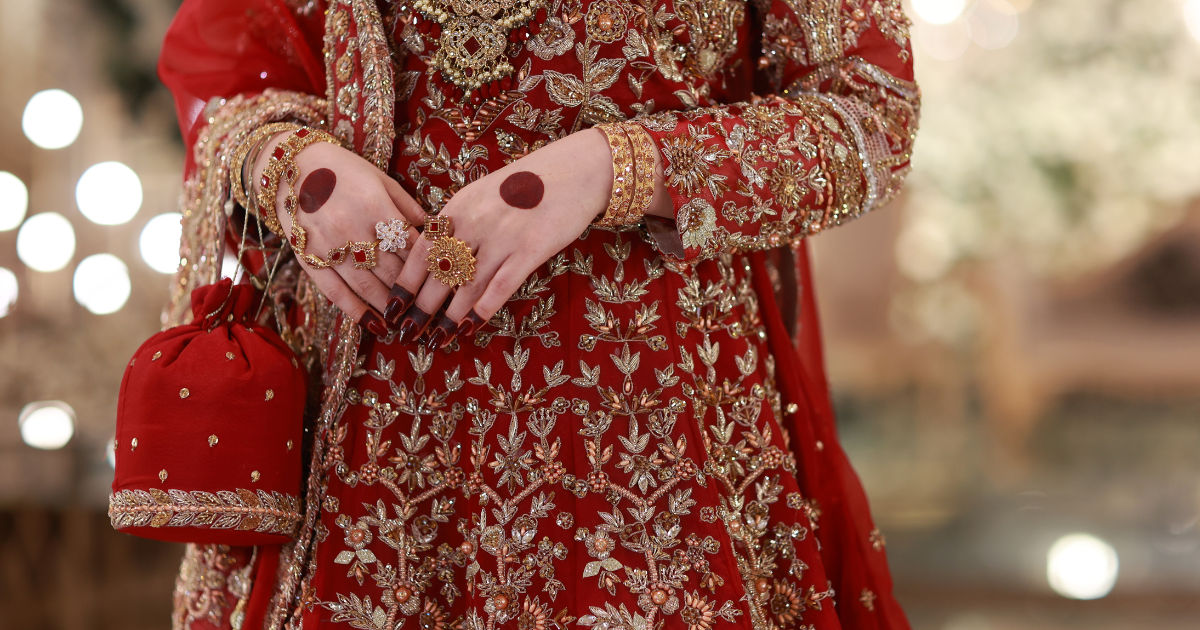
From the elegant shalwar kameez to fusion wear that blends tradition and modernity, Pakistani fashion is a story of evolving aesthetics. Nani je would often remind us that our attire tells stories of our ancestors, and today, those stories continue to influence the way people dress in Pakistan.
Understanding the cultural roots of modern Pakistani fashion requires exploring history, regional diversity, traditional crafts, and the interplay of global trends with local sensibilities.
Historical Influences on Pakistani Fashion
The foundation of Pakistani fashion is deeply rooted in its history. From the Indus Valley Civilization to the Mughal Empire, the region has experienced a rich tapestry of cultural influences.
Indus Valley Civilization
Even in ancient times, the people of the Indus Valley had a sense of aesthetic expression in clothing. Evidence from archaeological findings shows that textiles were not only functional but also ornamental. They used dyed fabrics, jewelry, and embroidered garments, which were early indicators of Pakistan’s long-standing fashion heritage.
Mughal Era Elegance
The Mughal era (16th–19th century) left an indelible mark on Pakistani fashion. Rich fabrics like silk and velvet, combined with intricate embroidery such as zardozi and gota work, became a symbol of elegance and prestige. The Mughal influence is still visible today in bridal wear and formal attire, where heavy embellishments and luxurious fabrics dominate. Nani je used to describe the grandeur of Mughal garments, explaining how each stitch reflected artistry and status.
British Colonial Impact
The British colonial period brought Western clothing styles and tailoring techniques to the subcontinent. This era introduced structured garments, buttons, collars, and tailored cuts. Over time, these elements were adapted into traditional clothing, giving rise to hybrid styles that still inspire modern designers.
Regional Diversity in Fashion
Pakistan is a country of diverse ethnicities, and this diversity is reflected in its fashion. Each region contributes unique elements that shape modern clothing trends.
Punjab
Punjab is known for its vibrant colors and rich embroidery. Phulkari, a traditional style of floral embroidery, is a staple in modern dresses and dupattas. Bright hues and bold patterns from Punjab often inspire contemporary designers seeking to add a cheerful aesthetic to their collections.
Sindh
Sindhi fashion is famous for mirror work, intricate stitching, and bold motifs. Ajrak, a block-printed fabric, is iconic and widely recognized as a symbol of Sindhi heritage. Modern Pakistani fashion frequently incorporates Ajrak patterns into scarves, jackets, and fusion wear, bridging the gap between traditional and contemporary styles.
Balochistan
Balochi attire features long, flowing dresses adorned with heavy embroidery and beadwork. These elaborate designs are not only artistic but also signify cultural identity. Today, designers often integrate Balochi embroidery into evening wear and casual outfits, creating a fusion that appeals to urban audiences.
Khyber Pakhtunkhwa
Pashtun fashion is characterized by rich textures and intricate thread work. Traditional dresses often include long tunics with detailed embroidery on sleeves and hems. Modern designers borrow these patterns to add ethnic flair to modern garments while maintaining cultural authenticity.
Traditional Crafts and Techniques
The artistry behind Pakistani fashion lies in its traditional crafts, many of which have been passed down through generations.
Embroidery Styles
Embroidery is central to Pakistani fashion. Techniques like zardozi, chikankari, phulkari, and mirror work are used to embellish clothing. Each style carries a story, representing the culture of a particular region. Modern fashion integrates these traditional methods into casual wear, formal dresses, and bridal collections.
Textile Weaving
Pakistan has a rich history of weaving, producing fabrics such as khaddar, silk, and cotton. Weaving techniques vary regionally, giving each fabric a distinctive texture and pattern. Designers today often source traditional textiles to create garments that honor cultural heritage while appealing to contemporary tastes.
Dyeing and Printing
Traditional dyeing techniques like bandhani and block printing are prominent in Pakistani fashion. These methods produce unique patterns that are often handmade, ensuring every piece is one-of-a-kind. Modern fashion brands incorporate these prints into everyday clothing, maintaining a balance between artisanal craftsmanship and mass appeal.
The Role of Fusion in Modern Fashion
Modern Pakistani fashion is a blend of tradition and global trends. Fusion wear combines elements from Western clothing with traditional Pakistani designs. This approach allows younger generations to honor their roots while embracing contemporary aesthetics.
Western Influence
Western-style cuts, jackets, and trousers are often paired with traditional fabrics and embroidery. For example, a shalwar kameez might be paired with a blazer or a tunic with jeans. This fusion caters to urban audiences seeking comfort and style without losing cultural identity.
Street Fashion and Casual Wear
Casual fashion in Pakistan has also evolved with global trends. Designers now experiment with t-shirts, denim, and skirts, incorporating local prints and motifs. Street fashion often reflects a creative blend of East and West, showcasing how traditional patterns like Ajrak or Phulkari can complement modern silhouettes.
Bridal and Formal Fashion
Bridal wear remains one of the most significant sectors of Pakistani fashion. While heavy traditional embroidery continues to dominate, modern brides opt for lighter fabrics, pastel colors, and minimalist embellishments. This shift illustrates how traditional art forms are being adapted for contemporary tastes.
Influential Designers and Their Contributions
Several Pakistani designers have played a pivotal role in shaping modern fashion by blending cultural heritage with innovation.
HSY (Hassan Sheheryar Yasin)
HSY is known for his luxurious designs that celebrate traditional embroidery and craftsmanship. His collections often feature zardozi work, silk fabrics, and elaborate cuts, showcasing the rich legacy of Pakistani fashion.
Sana Safinaz
Sana Safinaz brings a fresh approach to fashion by combining traditional prints and embroidery with modern cuts and silhouettes. Their designs are popular among young adults who want elegance and comfort simultaneously.
Maria B
Maria B is famous for her versatile collections, from bridal wear to casual outfits. She frequently incorporates regional craftsmanship into her modern designs, making traditional art accessible to contemporary consumers.
Emerging Designers
New designers continue to explore fusion and sustainable fashion, experimenting with natural dyes, handwoven fabrics, and contemporary silhouettes. These innovators are crucial in preserving Pakistan’s fashion heritage while introducing fresh ideas to a global audience.
Cultural Significance of Fashion
Fashion in Pakistan is more than aesthetic; it is a form of storytelling. Nani je often explained that every pattern, embroidery, and color choice carries cultural meaning. Clothing can indicate social status, regional identity, religious beliefs, and even personal values. Understanding these cultural nuances allows people to appreciate fashion beyond its visual appeal.
Festivals and Fashion
Traditional attire plays a central role in Pakistani festivals such as Eid, weddings, and religious ceremonies. During these occasions, people wear their finest garments, often showcasing intricate embroidery, vibrant colors, and luxurious fabrics.
Social Identity
Clothing in Pakistan is closely tied to social identity. Regional patterns, specific embroidery styles, and color choices can communicate belonging to a community or social group. Modern fashion continues to respect these markers while introducing new interpretations.
Gender and Fashion
Fashion is also an expression of gender identity. Traditional men’s clothing includes shalwar kameez, waistcoats, and sherwanis, often crafted with exquisite fabrics and embroidery. Women’s fashion is diverse, ranging from casual wear to heavily embellished bridal attire. Modern fashion encourages blending styles, allowing individuals to express themselves while honoring tradition.
Modern Trends and Global Influence
Modern Pakistani fashion is increasingly influenced by global trends, thanks to social media, fashion weeks, and international collaborations. Designers are inspired by European, American, and Middle Eastern aesthetics, yet they remain rooted in Pakistani culture.
Digital Fashion Platforms
Online platforms and social media have transformed fashion marketing in Pakistan. Instagram, TikTok, and fashion blogs showcase traditional designs in contemporary contexts, allowing designers to reach wider audiences.
Sustainable Fashion
There is a growing interest in sustainable fashion, with designers focusing on eco-friendly fabrics, ethical labor practices, and upcycling traditional garments. This approach not only preserves cultural crafts but also promotes responsible consumption.
Fusion of Function and Style
Modern Pakistani clothing emphasizes comfort without compromising style. Lightweight fabrics, breathable cuts, and functional designs cater to everyday wear, especially in urban areas. Fusion wear bridges the gap between practicality and elegance.
Challenges and Opportunities
Despite the rich cultural heritage, Pakistani fashion faces several challenges. Counterfeit products, loss of traditional crafts, and the pressure of fast fashion threaten the sustainability of cultural practices. However, these challenges also present opportunities for innovation, cultural preservation, and global recognition.
Preserving Traditional Crafts
Many traditional crafts are at risk of disappearing. Initiatives to train young artisans, promote local fabrics, and showcase regional embroidery can help preserve these skills.
Balancing Tradition and Modernity
Modern designers must strike a balance between respecting tradition and embracing innovation. This requires thoughtful integration of cultural motifs, fabrics, and embroidery into contemporary designs.
Global Recognition
Pakistani fashion has immense potential on the international stage. Collaborations with global designers, participation in fashion weeks, and digital marketing can introduce traditional Pakistani aesthetics to the world while generating economic opportunities for local artisans.
Conclusion
Modern Pakistani fashion is a dynamic blend of history, culture, and innovation. Its roots lie in the rich traditions of regional embroidery, textile weaving, and artisanal craftsmanship. Over centuries, influences from the Mughal era, colonial period, and global trends have shaped contemporary designs that are elegant, vibrant, and versatile. From casual streetwear to luxurious bridal outfits, Pakistani fashion reflects identity, heritage, and personal expression. Nani je would be proud to see how the stories of our ancestors continue to inspire designers and fashion enthusiasts alike. As the fashion industry grows and adapts to modern needs, it remains a vibrant testament to the cultural richness of Pakistan.
The cultural roots of Pakistani fashion are not just preserved in museums or old photographs; they are alive in everyday wear, in festive celebrations, and in the creativity of modern designers. Understanding these roots allows us to appreciate fashion not only as a form of self-expression but also as a celebration of heritage, art, and identity. By embracing tradition and innovation together, Pakistani fashion continues to thrive, telling stories that are both timeless and contemporary.