

Pregnancy naturally brings a lot of questions about food, vitamins, and supplements. One common question is whether an omega 3 supplement can be taken safely during pregnancy. The short answer is that omega-3 fatty acids can be an important part of a healthy pregnancy, particularly DHA, but supplements should be chosen carefully and discussed with a healthcare professional.
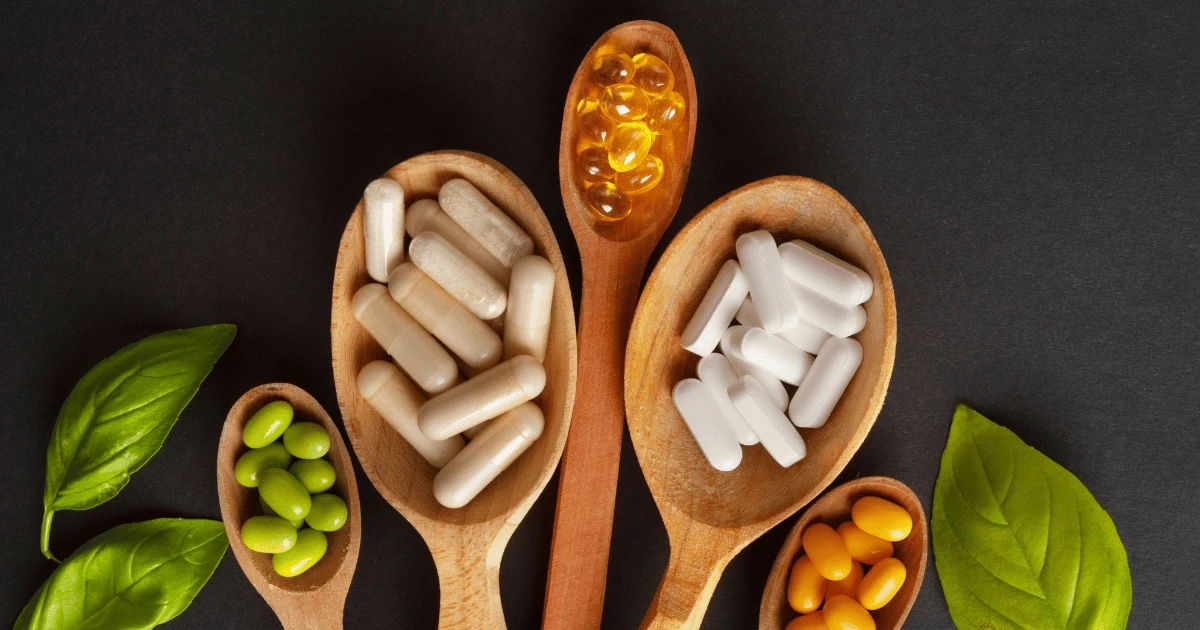
Omega-3 fats are found naturally in foods such as salmon, sardines, trout, and other seafood. They are also available in supplements, including fish oil, algal oil, and products formulated specifically for pregnancy. Understanding the differences between these sources, the possible benefits, appropriate amounts, and safety considerations can help expectant mothers make informed decisions.
Can Omega-3 Supplements Be Taken During Pregnancy?
Yes, an omega 3 supplement can generally be taken during pregnancy, but the specific product and dose matter.
Omega-3 fatty acids include several different fats. The two most discussed during pregnancy are EPA, or eicosapentaenoic acid, and DHA, or docosahexaenoic acid. DHA is particularly important because it contributes to the development of the baby's brain and eyes.
Pregnancy also increases nutritional demands. The developing baby depends partly on the mother's dietary supply of essential nutrients, including certain fatty acids. This is one reason fish is included in dietary recommendations for pregnancy.
However, taking a supplement is not automatically necessary for every pregnant woman. Someone who regularly eats appropriate amounts of low-mercury fish may already obtain substantial omega-3 fatty acids through food.
The FDA and EPA recommend that pregnant and breastfeeding people consume 8 to 12 ounces of a variety of lower-mercury seafood each week.
Why Are Omega-3 Fatty Acids Important During Pregnancy?
Omega-3 fatty acids perform several important functions in the body. During pregnancy, their role becomes especially interesting because the baby's nervous system and visual system undergo significant development.
DHA and Baby's Brain Development
DHA is a structural component of cell membranes, including cells in the brain and eyes.
Adequate dietary intake therefore matters during fetal development. Fish provides DHA along with protein, iodine, choline, vitamin B12, selenium, and other nutrients.
The FDA notes that fish intake during pregnancy is recommended because moderate scientific evidence suggests it can support the baby's cognitive development.
This does not mean that taking more DHA automatically makes a baby smarter. Nutrition is much more complicated than that. Omega-3 is one component of an overall healthy pregnancy diet.
Support for Eye Development
DHA is also concentrated in the retina. The developing visual system requires fatty acids as it matures.
This is another reason researchers have paid attention to maternal omega-3 intake. However, supplementation should be viewed as nutritional support rather than a guarantee of a particular developmental outcome.
Possible Support for Pregnancy Outcomes
Research has also investigated whether omega-3 supplementation affects pregnancy duration and birth outcomes.
A Cochrane review found that omega-3 long-chain polyunsaturated fatty acid supplementation during pregnancy was associated with lower rates of preterm birth and very preterm birth. It also found fewer low-birth-weight babies, although some outcomes and longer-term effects remain less certain.
Interestingly, the review also found a possible increase in pregnancies continuing beyond 42 weeks. This is one reason it is not sensible to assume that taking a larger amount is necessarily better.
Is It Better to Get Omega-3 From Fish or Supplements?
For many pregnant women, food should be the starting point.
Fish supplies DHA and EPA, but it also provides protein, iodine, choline, vitamin B12, selenium, and other nutrients. A supplement generally does not provide this complete nutritional package.
The FDA recommends 2 to 3 servings of fish per week from its lower-mercury “Best Choices” category, with a typical adult serving being about 4 ounces.
Good choices can include salmon, sardines, trout, shrimp, and other fish listed as lower-mercury choices by relevant food-safety authorities.
The important point is that pregnancy does not mean avoiding fish altogether. In fact, avoiding all seafood can unnecessarily remove valuable nutrients from the diet.
The concern is mainly choosing fish with high mercury levels.
What About Mercury During Pregnancy?
Mercury deserves special attention because high exposure can harm the developing nervous system.
Large predatory fish tend to accumulate more mercury because they consume other fish over time. Examples of fish that pregnant women are advised to avoid include shark, swordfish, king mackerel, marlin, orange roughy, and bigeye tuna.
Cooking fish does not remove mercury because mercury is distributed through the fish tissue. The better approach is to select lower-mercury species.
An omega-3 supplement can be useful for someone who does not eat fish, but it should not be considered a replacement for all the nutritional benefits of seafood.
Which Omega-3 Supplement Is Appropriate During Pregnancy?
Not all products are identical.
When choosing an omega-3 product during pregnancy, look beyond the large number printed on the front of the bottle. A product might advertise a certain amount of “fish oil,” but that does not necessarily mean it contains the same amount of EPA and DHA.
Check the EPA and DHA Amounts
Read the Supplement Facts panel.
Look specifically for the quantities of EPA and DHA rather than simply looking at the total fish oil amount.
This makes it easier to understand what you are actually consuming.
Consider Prenatal-Specific Products
Some prenatal vitamins include DHA, while others do not.
If your prenatal vitamin already contains DHA, adding another supplement without checking the label could unnecessarily increase your overall intake.
It is worth showing all supplements you take to your obstetrician, midwife, or another qualified healthcare professional.
Consider Algal Oil
People who avoid fish may consider algae-derived DHA.
Algal oil is a vegetarian source of DHA and can be particularly useful for people who do not consume seafood.
The product should still be evaluated carefully for quality, dosage, ingredients, and suitability for pregnancy.
How Much Omega-3 Should You Take While Pregnant?
There is no single supplement dose that is appropriate for every pregnant woman.
Requirements can depend on diet, medical history, existing prenatal supplements, and individual pregnancy circumstances.
Some research trials have used relatively high amounts of omega-3, but that does not mean every pregnant woman should reproduce those doses independently.
A sensible approach is to first assess dietary intake. If you eat lower-mercury fish two or three times a week, you may already be getting meaningful amounts of EPA and DHA.
If you rarely or never eat fish, your healthcare provider may recommend an appropriate DHA-containing supplement.
This individualized approach is more useful than choosing a product solely because it has the highest dosage.
Are Omega-3 Supplements Safe During Pregnancy?
For most people, appropriately formulated omega-3 supplements are considered safe during pregnancy when used as directed.
However, “natural” does not automatically mean “risk-free.”
Fish oil can sometimes cause unpleasant effects such as a fishy aftertaste, burping, nausea, or digestive discomfort. Taking the product with food may make it easier to tolerate.
Another consideration is bleeding risk. Omega-3 fatty acids can affect platelet function, particularly at higher doses. This may be relevant for people taking blood-thinning medication or those with certain medical conditions.
Anyone using anticoagulants, antiplatelet medicines, or preparing for a medical procedure should discuss supplementation with their healthcare provider.
What Should You Avoid in an Omega-3 Supplement?
Pregnancy is not the time to experiment with poorly labeled supplements.
Avoid products that do not clearly identify their ingredients and amounts.
You should also be cautious with supplements containing additional ingredients that have not been recommended by your pregnancy care provider.
One particularly important distinction is between ordinary purified fish oil and cod liver oil.
Cod liver oil can contain substantial amounts of vitamins A and D. Excessive preformed vitamin A during pregnancy can be harmful to fetal development. For this reason, do not substitute cod liver oil for a standard DHA or omega-3 product without professional guidance.
Quality also matters. Look for manufacturers that provide appropriate testing or quality certifications where available.
Can You Take Omega-3 With a Prenatal Vitamin?
In many cases, yes, but check the labels first.
Some prenatal vitamins already contain DHA. If yours does, an additional supplement may or may not be necessary.
Combining multiple products can also make it harder to keep track of total nutrient intake.
Rather than assuming that more is better, compare the ingredients and amounts in your prenatal vitamin and omega-3 product.
Your healthcare provider can help determine whether the combination makes sense for your particular pregnancy.
What If You Do Not Eat Fish?
Not eating fish does not mean you cannot have a healthy pregnancy.
The FDA specifically notes that a healthy baby is possible even when someone does not eat fish. Other foods can contribute important nutrients to a balanced pregnancy diet.
However, people who avoid fish may have lower dietary intake of DHA and EPA.
This is where an appropriately selected omega-3 supplement may be useful.
For people following vegetarian or vegan diets, algae-derived DHA may be an option worth discussing with a healthcare professional.
Can Omega-3 Supplements Prevent Preterm Birth?
This is an area where the evidence is promising but needs to be interpreted carefully.
The Cochrane review found that omega-3 long-chain polyunsaturated fatty acids were associated with reduced preterm birth before 37 weeks and reduced very preterm birth before 34 weeks.
That does not mean every pregnant woman should take high-dose omega-3 specifically to prevent premature delivery.
Pregnancy outcomes depend on many factors, including maternal health, infections, blood pressure, nutrition, genetics, placental function, and previous pregnancy history.
Omega-3 should therefore be considered one component of nutritional care rather than a guaranteed preventive treatment.
Common Mistakes to Avoid
One common mistake is believing that all fish oil supplements are interchangeable.
They are not.
Different products contain different amounts of EPA and DHA, and some contain additional ingredients.
Another mistake is assuming that fish should be completely avoided because of mercury. The FDA actually recommends seafood during pregnancy, provided women select lower-mercury choices and follow recommended serving amounts.
A third mistake is taking several supplements without checking for overlapping ingredients.
Finally, avoid assuming that a larger dose will automatically provide greater benefits. Pregnancy nutrition is about meeting needs safely, not maximizing every nutrient.
When Should You Talk to Your Doctor?
Speak with your obstetrician, midwife, or another qualified healthcare professional before starting an omega-3 supplement if you:
- Take blood-thinning medication.
- Have a bleeding disorder.
- Have a complicated or high-risk pregnancy.
- Have been advised to restrict certain supplements.
- Have an upcoming procedure or delivery.
- Already take multiple prenatal or nutritional supplements.
- Are considering a high-dose product.
- Are unsure whether your prenatal vitamin already contains DHA.
It is especially important to discuss supplementation if you have been prescribed medication for another condition.
Frequently Asked Questions
Can I take omega-3 supplements every day during pregnancy?
Many pregnant women can take an appropriate omega-3 product daily, but the right amount depends on dietary intake and individual circumstances. Check whether your prenatal vitamin already contains DHA and discuss the total amount with your healthcare professional.
Is DHA more important than EPA during pregnancy?
DHA receives particular attention because it is an important structural fatty acid in the developing brain and retina. EPA is also biologically important, and many products contain both. Rather than focusing on one fatty acid alone, consider the overall EPA and DHA content of the product.
Can I take omega-3 if I do not eat fish?
Yes, an omega-3 supplement can be considered when dietary fish intake is low or absent. Algal oil is another option, particularly for people who avoid animal products. Your healthcare professional can help you select an appropriate source.
Should I stop omega-3 supplements before delivery?
Do not make this decision independently. Whether supplementation should continue near delivery can depend on your dose, medications, bleeding risk, and individual circumstances. Ask your maternity care provider for specific instructions.
Can I get enough omega-3 from food alone?
Yes, many people can obtain substantial omega-3 fatty acids through recommended servings of lower-mercury seafood. The FDA recommends that pregnant and breastfeeding people consume 8 to 12 ounces of a variety of lower-mercury seafood each week.
Is fish oil the same as DHA?
Not exactly. Fish oil is a broader product that may contain EPA, DHA, and other fatty acids. The actual amount of DHA varies between products, so the Supplement Facts panel should be checked rather than relying on the words “fish oil” on the front label.
Conclusion
So, can an omega 3 supplement be taken during pregnancy? In many cases, yes. Omega-3 fatty acids, especially DHA, have an important nutritional role during pregnancy and fetal development. Research has also found associations between omega-3 supplementation and lower rates of preterm birth, although supplementation should not be treated as a guaranteed way to prevent pregnancy complications.
For most pregnant women, the first priority should be a balanced diet that includes appropriate lower-mercury seafood when possible. Fish provides DHA and EPA along with protein, iodine, choline, vitamins, and minerals that supplements do not replace. Current FDA guidance recommends 8 to 12 ounces of lower-mercury seafood per week for pregnant and breastfeeding people.
If you do not eat fish, have a dietary restriction, or have been advised to increase DHA, a carefully selected supplement may be a practical option. Check the actual EPA and DHA amounts, avoid unnecessary ingredients, and remember that cod liver oil is not automatically interchangeable with ordinary omega-3 products.
Most importantly, pregnancy is a time when supplement decisions should be individualized. Your prenatal vitamin, diet, medications, medical history, and pregnancy circumstances all matter. Before adding a new supplement or changing the dose, discuss it with your obstetrician, midwife, or another qualified healthcare professional.