

In today’s globalized world, encouraging children to explore multiple languages early on is becoming increasingly important. One of the most effective ways to achieve this is through reading. Reading multilingual books not only improves language skills but also enhances cognitive development, cultural understanding, and creativity.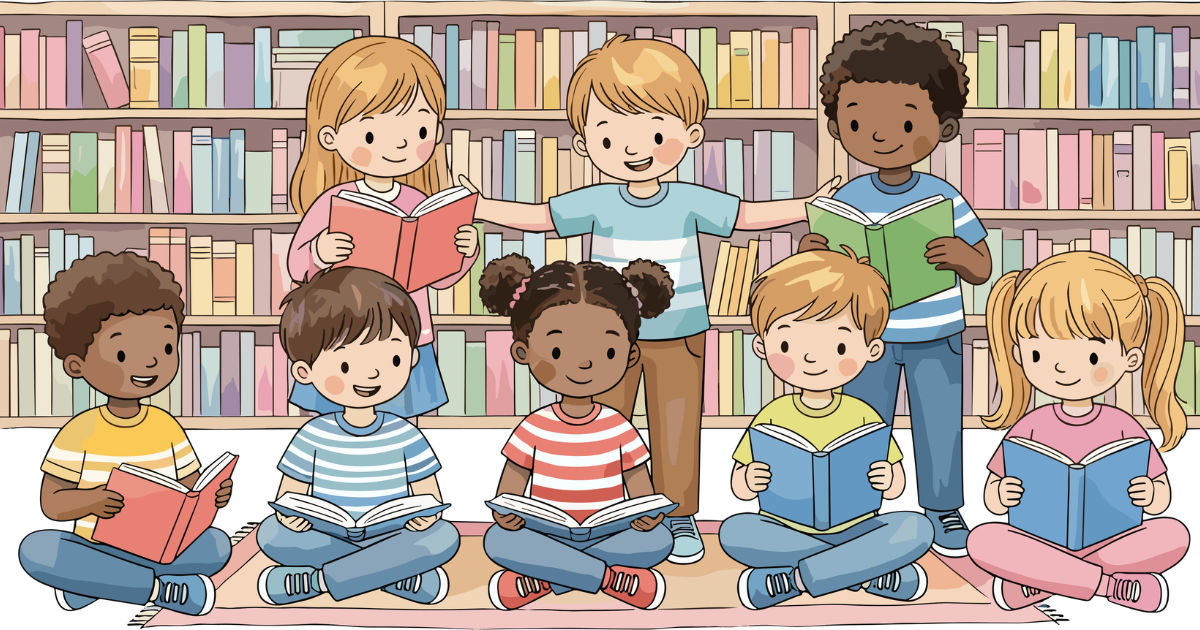
Platforms like AYA Language Lab are revolutionizing the way kids access books in multiple languages, providing an immersive and interactive experience that goes far beyond traditional reading.
For parents and educators, finding the right online collection of multilingual books can be overwhelming. With thousands of options available, it is important to select collections that are age-appropriate, engaging, and educational.
In this guide, we explore the best online kids multilingual book collection picks, highlighting resources, platforms, and strategies to make multilingual reading a fun and effective experience for children.
Why Multilingual Reading Matters
Reading in multiple languages from an early age provides numerous benefits. Cognitive flexibility, improved memory, and better problem-solving skills are just a few of the advantages. Children who are exposed to different languages also develop a stronger understanding of cultural nuances and global perspectives.
Platforms such as AYA Language Lab offer children the opportunity to explore stories in multiple languages, supporting both native and second language development. By interacting with multilingual texts, kids develop confidence in reading and speaking while gaining exposure to diverse storytelling styles.
How to Choose the Right Multilingual Book Collection
Choosing the right multilingual book collection for kids involves several key factors:
-
Age Appropriateness – Books should match the child’s reading level and interests. Younger kids may benefit from picture books and simple bilingual stories, while older children can explore chapter books in multiple languages.
-
Language Diversity – The collection should include languages that are relevant to the child’s learning goals. Platforms like AYA Language Lab provide access to a wide range of languages, from widely spoken ones like Spanish, French, and Mandarin to less common options such as Swahili or Arabic.
-
Interactive Features – Engaging features such as audio narration, interactive quizzes, and word highlights help children understand and retain new vocabulary. Interactive elements encourage repeated reading, making language learning more effective.
-
Cultural Relevance – Stories should reflect cultural authenticity and diversity. Multilingual books that introduce children to global customs, traditions, and lifestyles help foster empathy and broaden horizons.
-
Ease of Access – Online collections should be easy to navigate, with intuitive search tools and filters. AYA Language Lab excels in this area, providing parents and teachers with user-friendly platforms to find books by age, language, and topic.
Top Online Platforms for Kids Multilingual Books
While there are many online resources for multilingual books, some stand out for their quality, accessibility, and educational value.
AYA Language Lab
AYA Language Lab is an innovative platform designed specifically for kids to explore multilingual content. It offers a wide range of books in multiple languages, including English, Spanish, French, German, Mandarin, and more. The platform supports interactive reading, with features like text-to-speech, vocabulary highlights, and comprehension exercises.
Children can select books based on their reading level, preferred language, or topic of interest. AYA Language Lab also allows parents and educators to track reading progress and customize learning plans. The platform’s engaging interface ensures that kids remain motivated while improving their language skills.
Epic!
Epic! is another popular online platform offering a variety of multilingual books for children. The platform includes picture books, chapter books, and educational texts in multiple languages. While Epic! primarily focuses on English content, it also offers selected bilingual and foreign language titles.
The platform is subscription-based and provides personalized reading recommendations based on age, interests, and reading level. Epic! is particularly strong in fostering reading habits among younger children through interactive storytelling and gamified learning.
International Children’s Digital Library (ICDL)
The ICDL is a free digital library that provides access to children’s books from around the world. It offers stories in over 60 languages, making it a fantastic resource for multilingual reading.
ICDL allows users to filter books by language, length, and target age group. While it lacks some interactive features found on AYA Language Lab, it is an excellent resource for exposing children to diverse cultures and global perspectives.
StoryWeaver
StoryWeaver is an open-access platform created by Pratham Books. It offers free multilingual stories for children in more than 100 languages. The platform is highly customizable, allowing readers to choose language, grade level, and story type.
StoryWeaver also encourages storytelling by enabling users to create and translate their own stories. This feature supports active engagement with language learning, making it an excellent complement to AYA Language Lab for immersive multilingual experiences.
Unite for Literacy
Unite for Literacy focuses on early readers, providing simple picture books with audio narration in multiple languages. The platform emphasizes visual learning and vocabulary building, which is ideal for preschool and early elementary-aged children.
The platform’s audio features allow children to hear stories in both their native language and a second language, reinforcing comprehension and pronunciation skills. Unite for Literacy is especially useful for younger children who are beginning their journey into multilingual reading.
Tips for Maximizing Multilingual Reading
To ensure children get the most out of online multilingual book collections, parents and educators can adopt several strategies:
-
Set a Reading Routine – Establish a consistent reading schedule. Even 15–20 minutes per day of multilingual reading can significantly improve language skills over time.
-
Mix Languages – Encourage children to read in both their native language and a new language. Platforms like AYA Language Lab make it easy to switch between languages, promoting balanced language development.
-
Discuss Stories Together – Talking about characters, plots, and cultural elements helps reinforce comprehension and vocabulary retention. Asking questions encourages critical thinking and language use.
-
Use Audio Support – Many online platforms provide audio narration. Listening to stories while reading enhances pronunciation, listening skills, and overall language fluency.
-
Incorporate Technology – Interactive features, quizzes, and games embedded in platforms like AYA Language Lab make learning fun and memorable. Children are more likely to stay engaged when technology complements reading.
-
Encourage Story Creation – Older children can write or translate their own stories. This practice promotes active engagement with language and deepens understanding of grammar, sentence structure, and vocabulary.
Recommended Book Categories for Kids
Multilingual book collections should include diverse genres to keep children engaged. Here are some highly recommended categories:
Picture Books
Ideal for younger children, picture books combine illustrations with simple text. They support early literacy skills and provide visual cues that help with language comprehension. Platforms like AYA Language Lab offer bilingual picture books that introduce basic vocabulary and phrases in multiple languages.
Fairy Tales and Folktales
Classic stories from around the world expose children to different cultures while improving language skills. Reading fairy tales in multiple languages helps kids understand narrative structures and common expressions.
Educational Books
Books focusing on science, geography, history, and math in multiple languages expand knowledge while reinforcing vocabulary. Educational content combined with multilingual exposure boosts both academic and language development.
Chapter Books
For older children, chapter books provide more complex narratives, offering opportunities for advanced language learning. Platforms like AYA Language Lab allow readers to select books based on difficulty and language, supporting gradual progression.
Comics and Graphic Novels
Comics engage children visually and linguistically. Speech bubbles and illustrations help contextualize new words, making it easier for kids to follow stories in different languages.
Encouraging Lifelong Multilingual Reading
Creating a culture of reading at home and school is crucial for sustaining multilingual literacy. Here are strategies to make reading a lifelong habit:
-
Lead by Example – Children mimic adult behaviors. Parents who read multilingual books themselves inspire curiosity and interest in languages.
-
Celebrate Achievements – Reward milestones, such as finishing a book in a new language. Platforms like AYA Language Lab provide progress tracking that makes it easy to celebrate accomplishments.
-
Integrate Language Learning Across Subjects – Encourage children to use their new language skills in other subjects, such as writing science reports, practicing math word problems, or keeping a multilingual journal.
-
Join Reading Communities – Many online platforms and libraries offer communities or book clubs for young readers. Engaging with peers enhances motivation and provides a social aspect to language learning.
-
Rotate Languages Regularly – Introduce new languages periodically to maintain interest and broaden linguistic exposure. This also helps children develop the ability to switch between languages comfortably.
Challenges and How to Overcome Them
While online multilingual reading offers immense benefits, some challenges may arise:
-
Limited Language Availability – Not all languages may be available on every platform. AYA Language Lab excels here by offering an extensive range of languages for children of different age groups.
-
Maintaining Engagement – Children may lose interest in unfamiliar languages. Combining interactive features, illustrations, and relatable stories helps maintain engagement.
-
Parental Involvement – Younger children need guidance to navigate platforms and understand content. Active participation from parents enhances comprehension and encourages regular reading habits.
-
Screen Time Balance – While online reading is convenient, it is important to balance screen time with offline activities. Complementing digital reading with physical books or creative activities ensures a holistic approach to language learning.
Conclusion
Online multilingual book collections are invaluable tools for nurturing language skills, cultural awareness, and cognitive development in children. Platforms like AYA Language Lab make it easy for young readers to explore stories in multiple languages while offering interactive features that enhance engagement and retention.
By selecting age-appropriate content, mixing languages, and incorporating discussion and interactive learning, parents and educators can create a rich multilingual reading environment. Whether it’s through picture books, fairy tales, chapter books, or educational texts, the key is consistent and enjoyable exposure to multiple languages.
The best online collections combine accessibility, quality content, and interactive learning features, empowering children to become confident multilingual readers. With the support of platforms like AYA Language Lab, children not only gain language proficiency but also develop empathy, cultural understanding, and a lifelong love of reading.
Investing in multilingual reading today equips children with skills that will benefit them academically, socially, and personally for years to come. By embracing online resources and thoughtful strategies, parents and educators can create an enriching reading experience that inspires curiosity and a lifelong passion for languages.