

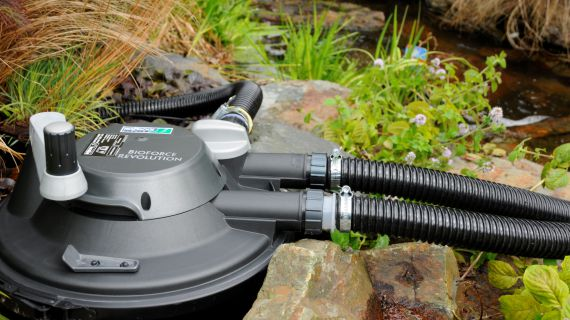
Pond filter are essential for maintaining clear, healthy, and balanced water conditions in garden ponds and koi ponds. They help remove debris, harmful waste, and excess nutrients from the water, creating a safer environment for fish, aquatic plants, and beneficial bacteria.
A reliable filtration system is one of the most important investments for any pond owner, helping reduce maintenance while improving overall water quality.
What Are Pond Filters?
Pond filters are systems designed to clean and purify pond water through mechanical and biological filtration processes. Water is pumped through the filter where debris and harmful substances are removed before the clean water returns to the pond.
Without proper filtration, ponds can quickly become cloudy, develop algae problems, and create unhealthy conditions for fish.
How Pond Filters Work
Most pond filters operate using two main stages of filtration.
Mechanical Filtration
Mechanical filtration removes physical waste such as leaves, dirt, fish waste, and uneaten food. Filter foams, brushes, or screens trap debris before it can pollute the water.
Biological Filtration
Biological filtration uses beneficial bacteria to break down harmful toxins such as ammonia and nitrites produced by fish waste and decaying organic matter.
This natural process helps maintain a stable and healthy pond ecosystem.
Importance of Pond Filters
A quality pond filter offers many important benefits for pond health and maintenance.
Clear Water
Filters help remove suspended particles and debris, improving water clarity and overall pond appearance.
Healthier Fish
Good water quality reduces stress and disease risks for koi, goldfish, and other aquatic life.
Reduced Algae Growth
Filtration helps control excess nutrients that contribute to algae blooms and green water.
Improved Oxygen Levels
Efficient water circulation supports oxygen exchange and healthier aquatic conditions.
Easier Pond Maintenance
A properly functioning filter reduces manual cleaning and helps maintain balanced water conditions.
Types of Pond Filters
There are several types of pond filters available, each designed for different pond sizes and requirements.
Box Filters
Box filters are compact filtration systems commonly used for small and medium-sized ponds. They contain filter media that trap debris and support beneficial bacteria growth.
Pressure Filters
Pressure filters are sealed systems that can be installed above or below ground. Many include built-in UV clarifiers for algae control and easy maintenance features.
Gravity-Fed Filters
Gravity-fed systems are popular in larger koi ponds. Water flows naturally through multiple chambers, allowing effective mechanical and biological filtration.
Drum Filters
Drum filters are advanced automatic systems designed for high-performance filtration in heavily stocked ponds. They efficiently remove fine waste particles with minimal maintenance.
UV Clarifiers and Pond Filters
Many modern pond filters include UV clarifiers to help control green water algae.
As water passes through the UV chamber:
- Algae cells are exposed to ultraviolet light
- Microscopic algae are neutralized
- The filter removes dead algae particles
This process improves water clarity and reduces algae-related problems.
Choosing the Right Pond Filter
Selecting the correct filter depends on several important factors.
Things to consider include:
- Pond size and depth
- Number of fish
- Pump flow rate
- Type of pond
- Maintenance requirements
- Presence of waterfalls or streams
Koi ponds generally require stronger filtration systems because of the larger amount of waste produced by fish.
Pond Filters for Koi Ponds
Koi ponds place heavy demands on filtration systems due to the size and feeding habits of koi fish.
A quality koi pond filter should provide:
- Strong biological filtration
- Efficient waste removal
- High water circulation
- Reliable oxygen support
- UV clarification for algae control
Advanced multi-stage systems are often recommended for koi pond setups.
Maintaining Pond Filters
Regular maintenance helps keep filtration systems working efficiently.
Common maintenance tasks include:
- Cleaning filter media
- Removing sludge and debris
- Checking water flow rates
- Inspecting pumps and hoses
- Replacing UV bulbs when needed
Routine maintenance helps extend equipment lifespan and maintain healthy water quality.
Signs a Pond Filter Needs Attention
A pond filter may require cleaning or maintenance if you notice:
- Cloudy or green water
- Reduced water flow
- Unpleasant odors
- Excess algae growth
- Fish appearing stressed
Addressing these issues early can prevent larger pond problems.
Benefits of High-Quality Pond Filters
Investing in a reliable pond filter provides long-term advantages.
Better Water Quality
Effective filtration keeps harmful toxins under control and supports balanced water conditions.
Reduced Maintenance Costs
Durable filters reduce the need for frequent repairs and extensive cleaning.
Long-Term Pond Stability
A healthy filtration system supports beneficial bacteria and creates a more stable ecosystem.
Improved Pond Appearance
Clear, clean water enhances the beauty of the pond and surrounding garden.
Final Thoughts
Pond filters are an essential part of maintaining a healthy, clean, and attractive pond. They improve water quality, support aquatic life, and reduce maintenance challenges throughout the year.