

Corporate events are more than just gatherings—they are opportunities for companies to build relationships, celebrate achievements, and leave lasting impressions on employees, clients, and stakeholders.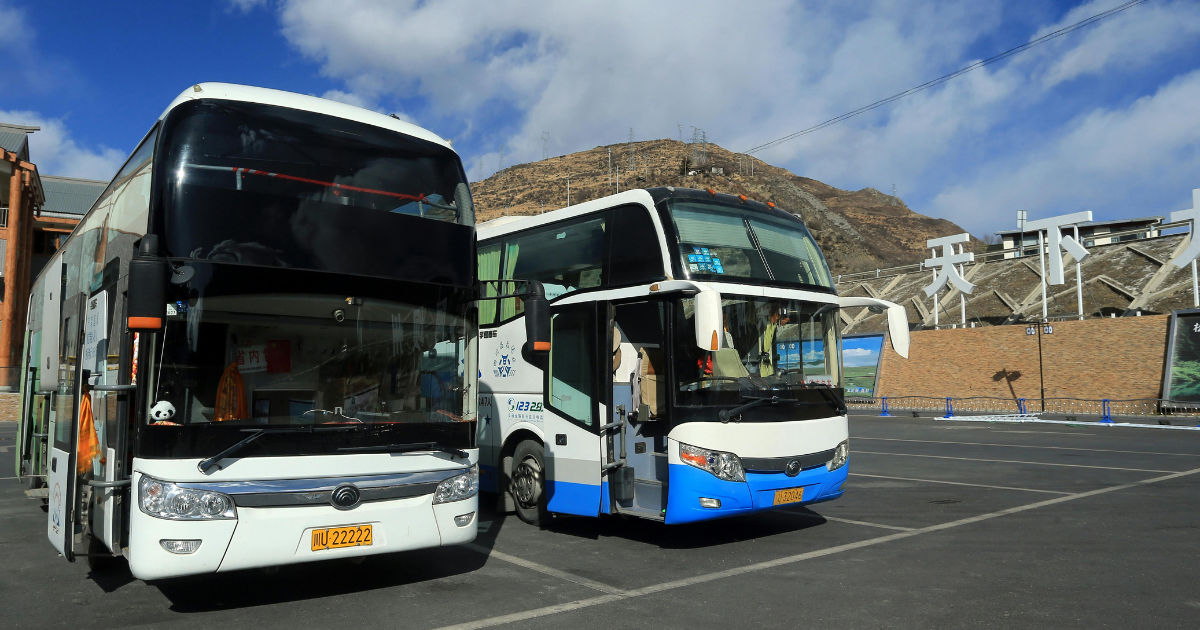
One aspect that is often overlooked but essential for the smooth execution of such events is corporate event transportation. Effective transportation planning can drastically improve the flow of your event, ensuring attendees arrive on time, feel comfortable, and have a positive overall experience.
In this comprehensive guide, we will explore how corporate event transportation contributes to a seamless event experience, the different transportation options available, and best practices to maximize efficiency.
Why Transportation Matters in Corporate Events
For corporate events, time and organization are critical. Attendees usually have tight schedules, and any delay in transportation can disrupt the event timeline, create frustration, and negatively affect engagement. Proper corporate event transportation planning ensures:
-
On-time arrivals and departures
-
Reduced stress for attendees
-
Improved event logistics
-
Enhanced professional image
By taking transportation seriously, companies demonstrate respect for their guests’ time and comfort, which reflects positively on the organization’s reputation.
Types of Corporate Event Transportation
When planning transportation for corporate events, several options can be considered depending on the size, budget, and nature of the event.
Shuttle Services
Shuttle services are ideal for transporting large groups from hotels or central locations to the event venue. They provide:
-
Scheduled pick-ups and drop-offs
-
Reduced congestion at the venue
-
Cost-effective group transport
Shuttles also give attendees a chance to network during transit, setting a collaborative tone even before the event begins.
Private Car Services
For VIP attendees or executives, private car services offer comfort, reliability, and privacy. Features include:
-
Professional drivers
-
On-demand schedules
-
Direct, stress-free routes
Incorporating private car options into your corporate event transportation plan ensures that high-profile guests experience convenience and professionalism from start to finish.
Bus Rentals
Bus rentals are suitable for larger corporate events or when transportation involves multiple locations. Benefits include:
-
Coordinated group movement
-
Cost savings compared to multiple individual rides
-
Efficient use of time
Buses can be customized with amenities like Wi-Fi, refreshments, or branded signage to enhance the event experience.
Ride-Sharing Partnerships
Partnering with ride-sharing services like Uber or Lyft can help attendees who prefer flexibility. Companies can arrange:
-
Discounted ride codes
-
Designated pick-up and drop-off points
-
Real-time monitoring of rides
Integrating ride-sharing options into your corporate event transportation plan gives attendees choices while maintaining control over logistics.
Planning Corporate Event Transportation
Effective transportation planning requires careful consideration of several factors. Proper planning can eliminate confusion, reduce wait times, and maintain the overall flow of the event.
Assessing Attendee Needs
The first step is understanding your audience. Consider:
-
Number of attendees
-
Geographic distribution
-
VIP guests or executives
-
Accessibility requirements
By analyzing these factors, you can choose the most appropriate transportation solutions for your event.
Timing and Scheduling
Scheduling transportation is critical. Delays in transportation can cascade and affect the entire event. Tips for scheduling include:
-
Staggered departure times for large groups
-
Allowing buffer time for traffic or unforeseen delays
-
Coordinating with the event agenda
Using software or apps to track transportation schedules can improve coordination and provide real-time updates to attendees.
Venue Coordination
A venue’s location, parking availability, and access points impact the efficiency of transportation. Event planners should:
-
Confirm loading and unloading zones
-
Check for traffic restrictions
-
Coordinate with local authorities if needed
Proper venue coordination ensures corporate event transportation operates smoothly and keeps the event on schedule.
Communication
Clear communication with attendees is essential. Share information such as:
-
Pick-up and drop-off locations
-
Scheduled times
-
Contact details for transportation support
Digital tools, apps, or printed guides can help attendees navigate transportation options confidently.
Enhancing Event Flow Through Transportation
Transportation affects more than just how attendees get to the venue—it directly impacts the overall event flow.
Reducing Congestion
Properly planned corporate event transportation reduces parking lot congestion and traffic jams. Shuttles and buses minimize the number of individual vehicles, allowing smooth entry and exit.
Improving Punctuality
On-time arrivals ensure that the event begins as scheduled. This is particularly important for conferences, presentations, and keynote speeches where timing is critical.
Boosting Attendee Satisfaction
When attendees travel comfortably and without stress, they arrive relaxed and ready to engage. Comfortable transportation options contribute to a positive impression of the event and the organizing company.
Facilitating Networking
Shared transportation, such as shuttle rides or buses, creates informal networking opportunities. Attendees can meet peers, exchange ideas, and build connections even before the event starts.
Technology in Corporate Event Transportation
Modern technology plays a vital role in optimizing corporate event transportation.
GPS Tracking and Apps
Apps that track shuttle or bus locations in real-time allow attendees to monitor their rides, reducing uncertainty and waiting times.
Automated Scheduling Tools
Automated systems can manage pickup and drop-off times, assign vehicles efficiently, and adjust schedules dynamically if needed.
Communication Platforms
Event management platforms can send notifications, updates, and reminders to attendees, ensuring everyone knows where to be and when.
Sustainability Considerations
Sustainable transportation options are becoming increasingly important for corporate events. Companies can:
-
Use electric or hybrid buses
-
Encourage shared rides instead of individual cars
-
Offset carbon emissions from transportation
Sustainable transportation not only improves event flow but also demonstrates corporate responsibility and environmental awareness.
Case Studies: Corporate Event Transportation Success
Example 1: Tech Conference
A large technology company hosted a multi-day conference with 2,000 attendees. By implementing a mix of shuttle buses and ride-sharing options, they:
-
Reduced traffic congestion at the venue
-
Ensured on-time arrivals for all sessions
-
Provided a seamless experience for VIPs through private cars
Attendees reported higher satisfaction, and the company received praise for efficient organization.
Example 2: Corporate Gala
A Fortune 500 company organized a gala at a downtown location with limited parking. They arranged:
-
Coordinated shuttle services from nearby hotels
-
Dedicated drop-off points for VIP guests
-
Real-time updates via a mobile event app
The event ran smoothly, and attendees appreciated the convenience and professional treatment.
Best Practices for Corporate Event Transportation
To ensure your corporate event transportation plan is effective, follow these best practices:
Start Early
Begin planning transportation as soon as the event details are confirmed. Early planning allows time for research, vendor selection, and contingency preparation.
Know Your Audience
Tailor transportation options to the needs of your attendees. Consider their preferences, mobility requirements, and budget.
Maintain Flexibility
Unexpected issues like traffic or delays can occur. Have backup plans, extra vehicles, and flexible schedules to accommodate changes.
Communicate Clearly
Provide attendees with clear instructions, maps, and schedules. Multiple communication channels, including email, apps, and printed guides, can be helpful.
Monitor in Real-Time
Use tracking and communication tools to monitor transportation and make adjustments as needed. Quick responses prevent delays from escalating.
Challenges and Solutions
Even with careful planning, corporate event transportation can face challenges:
Traffic and Weather
Unexpected traffic or bad weather can disrupt transportation schedules. Solution: build buffer times and provide alternate routes.
Large Attendee Numbers
Moving thousands of attendees efficiently can be complex. Solution: stagger arrivals, use multiple vehicle types, and coordinate closely with the venue.
Accessibility Requirements
Attendees may have mobility issues or other special needs. Solution: ensure vehicles and routes are accessible and provide additional support as required.
Measuring Success
To evaluate the effectiveness of corporate event transportation, consider:
-
Timeliness: Were attendees able to arrive and depart on schedule?
-
Satisfaction: Did attendees feel comfortable and stress-free?
-
Flow: Did transportation contribute to smooth event operations?
-
Cost-efficiency: Was the transportation plan within budget while meeting all needs?
Feedback from attendees can provide valuable insights for improving future events.
Conclusion
Corporate events are intricate operations where every detail counts. Efficient corporate event transportation is not just a convenience—it is a vital component that improves the flow of the event, enhances attendee satisfaction, and reflects positively on the organizing company.
By carefully planning transportation, assessing attendee needs, coordinating with venues, leveraging technology, and maintaining flexibility, companies can ensure their events run smoothly from start to finish. Furthermore, incorporating sustainable practices demonstrates a commitment to environmental responsibility while still prioritizing efficiency and comfort.
Investing in thoughtful, well-executed corporate event transportation pays dividends in terms of attendee experience, event flow, and overall success. Companies that master transportation logistics not only make their events seamless but also create lasting positive impressions that strengthen professional relationships and company reputation.
In summary, corporate event transportation is a critical factor in achieving an organized, punctual, and enjoyable corporate event. When done right, it enhances every aspect of the attendee experience, from the moment they leave their hotel to the time they depart the venue, making the entire event more effective, professional, and memorable.