

When it comes to designing a productive and comfortable workspace, few things matter as much as desk ergonomics. The way your desk is set up, combined with the chair you use, can drastically affect your posture, focus, and overall health.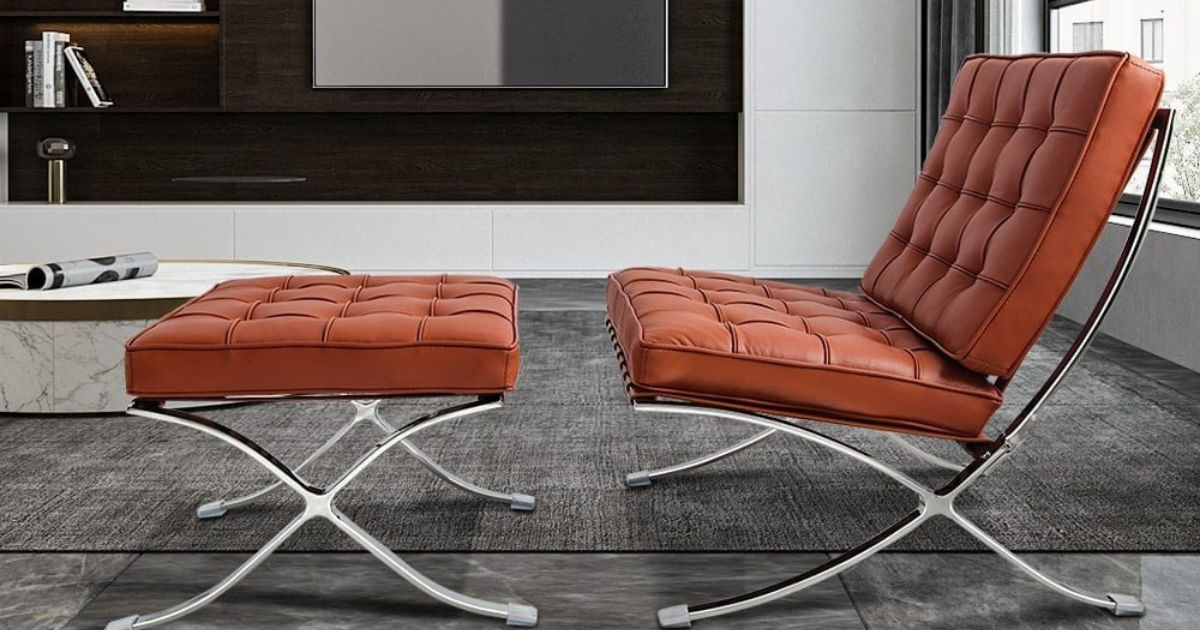
One of the best chairs for promoting proper ergonomics is the eames office chair. This chair, famous for its sleek design and supportive structure, can be a game-changer for anyone working long hours at a desk.
Many people underestimate the impact of a high-quality office chair on their productivity and well-being. Using an eames office chair correctly, along with proper desk setup, can reduce back pain, prevent strain injuries, and improve comfort.
This guide will cover practical desk ergonomics tips for maximizing your comfort and efficiency with an eames office chair.
Understanding Desk Ergonomics
Ergonomics is the science of designing your workspace to fit your body. It involves positioning your desk, chair, and computer in ways that reduce stress on your muscles and joints. Poor ergonomics can lead to discomfort, repetitive strain injuries, and even long-term posture problems.
Your chair plays a central role in desk ergonomics. While desks and monitor stands are important, the eames office chair is specifically designed to support natural spinal alignment and provide comfortable seating for long periods. By combining the right desk height with the right chair adjustments, you can maintain an ideal posture throughout the workday.
Benefits of Using an Eames Office Chair
The eames office chair is more than just a stylish piece of furniture. Its ergonomic design offers multiple benefits:
-
Supportive Structure: The chair provides proper lumbar support to keep your spine in a neutral position.
-
Adjustable Features: Many models allow height, tilt, and swivel adjustments for personalized comfort.
-
Durability: Made with high-quality materials, the eames office chair lasts for years without losing support.
-
Improved Focus: Comfort translates into better concentration, reducing fatigue and distractions.
By choosing an eames office chair, you are investing not only in style but also in your health and productivity.
Setting Up Your Desk with an Eames Office Chair
A chair alone is not enough to ensure ergonomic comfort. You also need to arrange your desk properly. Here are some key tips:
Desk Height
Your desk should be at a height where your elbows form a 90-degree angle when typing. This reduces strain on your shoulders and wrists. With an eames office chair, you can easily adjust the seat height to match your desk. Ideally, your forearms should rest comfortably on the desk surface, parallel to the floor.
Monitor Placement
Your monitor should be at eye level, approximately 20-30 inches away from your face. This prevents neck strain and encourages a natural head position. The eames office chair allows you to maintain proper posture while your monitor stays in the correct position.
Keyboard and Mouse Position
Place your keyboard and mouse close enough to prevent overreaching. Your wrists should remain straight, not bent upward or downward. With the arm support of an eames office chair, you can keep your arms relaxed while working, reducing the risk of carpal tunnel syndrome.
Foot Placement
Keep your feet flat on the floor or on a footrest. Avoid crossing your legs for long periods, as this can affect blood circulation. The eames office chair has a stable base, making it easier to maintain proper foot placement without slipping or discomfort.
Adjusting Your Eames Office Chair for Maximum Comfort
The eames office chair comes with several adjustable features that make it highly ergonomic. Understanding how to use these adjustments is crucial.
Seat Height Adjustment
Adjust the seat so your thighs are parallel to the floor and your feet are flat. Proper seat height prevents pressure on your knees and promotes better circulation.
Tilt and Recline
The chair’s tilt mechanism allows slight recline, which can relieve pressure on the spine. A gentle recline keeps your back muscles relaxed while maintaining proper posture.
Lumbar Support
Most eames office chairs have built-in lumbar support. Ensure the lower back cushion aligns with the curve of your spine to prevent slouching.
Armrest Position
Adjust armrests so your shoulders are relaxed. They should support your elbows without lifting your shoulders or causing strain. Correct armrest placement is essential for typing and writing comfortably.
Maintaining Proper Posture at Your Desk
Even with an eames office chair, posture matters. Here are tips for staying aligned:
-
Keep your back fully supported by the chair’s backrest.
-
Avoid leaning forward for prolonged periods.
-
Keep your head upright and aligned with your spine.
-
Change positions every 30-60 minutes to prevent stiffness.
Proper posture, combined with a high-quality chair like the eames office chair, minimizes fatigue and enhances overall comfort.
Ergonomic Accessories to Enhance Your Workspace
Beyond your chair, certain accessories can improve desk ergonomics:
Keyboard Tray
A keyboard tray keeps your hands at the correct height and reduces wrist strain.
Monitor Stand or Adjustable Arm
Elevating your monitor ensures your eyes remain level with the screen, reducing neck strain.
Footrest
A footrest can help maintain proper leg positioning if your desk is too high.
Anti-Fatigue Mat
For standing desks, an anti-fatigue mat reduces pressure on your feet and legs.
All these accessories, combined with an eames office chair, create a perfectly balanced ergonomic workspace.
The Importance of Movement and Breaks
Even the most ergonomic setup cannot replace movement. Sitting for hours can cause stiffness and reduced circulation. Use these tips to stay active:
-
Stand and stretch every 30-60 minutes.
-
Take short walks around your home or office.
-
Perform simple desk exercises for your shoulders, neck, and back.
An eames office chair with smooth swivel and tilt functions makes it easier to move and stretch without leaving your workspace.
Common Ergonomic Mistakes to Avoid
Even with the best chair, people make mistakes that reduce comfort:
-
Incorrect Chair Height: Too high or too low causes pressure on knees and spine.
-
Slouching: Leaning forward undermines lumbar support.
-
Monitor Too Low: Causes neck strain from looking down.
-
Crossed Legs: Reduces circulation and can lead to discomfort.
Using an eames office chair correctly helps prevent these common ergonomic errors.
Caring for Your Eames Office Chair
To ensure your eames office chair lasts for years:
-
Clean leather or fabric regularly to prevent dirt buildup.
-
Check and tighten screws to maintain stability.
-
Lubricate moving parts if needed.
-
Avoid placing excessive weight beyond the chair’s limit.
Proper care preserves both comfort and aesthetics, keeping your workspace functional and stylish.
Enhancing Productivity Through Ergonomics
A well-set-up desk and ergonomic chair do more than prevent pain—they boost productivity. Comfortable seating reduces distractions caused by discomfort. You can focus better on tasks, work longer without fatigue, and maintain higher energy levels throughout the day. The eames office chair is an excellent investment for anyone seeking both style and efficiency in their workspace.
Ideal Work Habits with an Eames Office Chair
Combining ergonomic furniture with good work habits maximizes benefits:
-
Stand periodically or use a sit-stand desk.
-
Keep essentials within arm’s reach to avoid overreaching.
-
Maintain a clean and organized workspace to reduce stress.
-
Adjust your chair and desk setup as needed for different tasks.
These habits, alongside the comfort of an eames office chair, make long hours at the desk far more manageable.
Conclusion
Desk ergonomics is a vital part of maintaining health, comfort, and productivity in any workspace. Investing in an eames office chair is not just about style—it’s about supporting your spine, reducing strain, and creating an efficient environment for work. By adjusting your chair properly, maintaining good posture, arranging your desk correctly, and incorporating movement breaks, you can significantly improve your workday comfort.
A comprehensive ergonomic setup involves the right chair, desk height, monitor position, and accessories. Avoiding common mistakes and maintaining good habits ensures that the benefits of your eames office chair are fully realized. With proper care and usage, this chair can become an integral part of a healthy, productive workspace for years to come.
If you are serious about enhancing your desk ergonomics, the eames office chair is a wise investment. It offers durability, comfort, and elegance while promoting proper posture and reducing the risks of workplace-related musculoskeletal issues. By following these tips, anyone can create a workspace that is both stylish and ergonomically sound.