

Vector logos are at the heart of modern branding, shaping how businesses present themselves across countless platforms.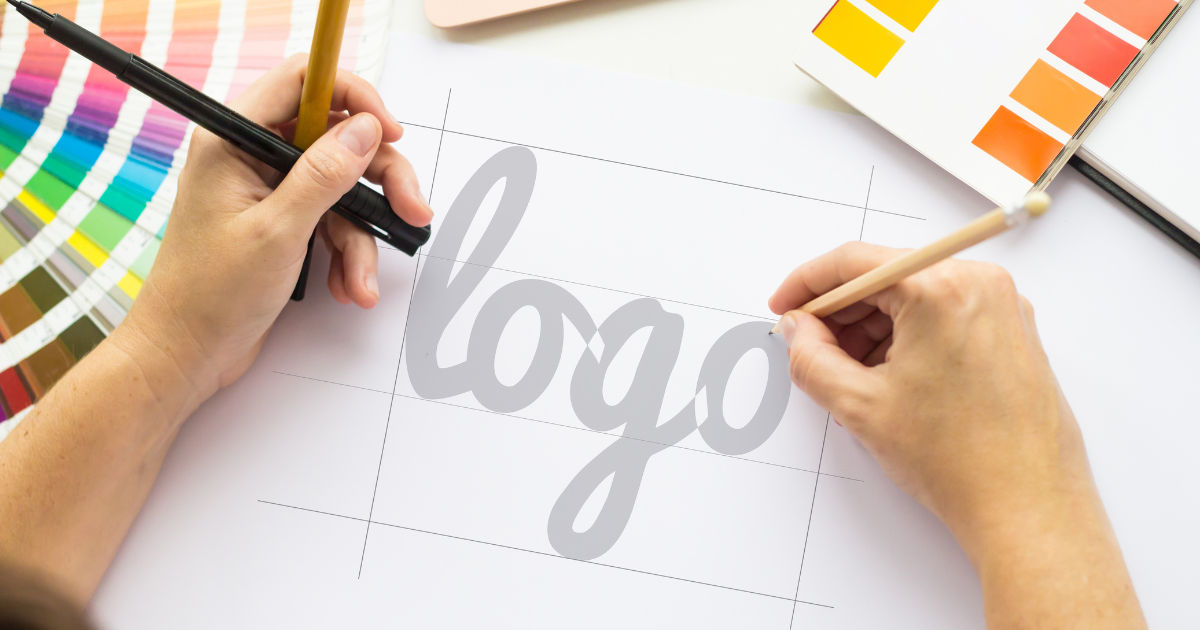
Whether you’re scrolling through a website, spotting a sign on the highway, or opening an app on your phone, you’re interacting with a visual identity that relies heavily on Vector logos.
These logos give brands the flexibility, clarity, and consistency they need in a world where visuals appear everywhere—from tiny mobile screens to massive billboards.
In this guide, you’ll learn why Vector logos are vital, how they work, and why every business should invest in them.
What Makes Vector Logos Different
How Vector Graphics Work
Vector graphics use mathematical equations instead of pixels. Every line, curve, and shape is defined by coordinates rather than tiny squares of color. This means Vector logos can be scaled infinitely without losing quality. A pixel-based logo becomes blurry when stretched, but Vector logos stay crisp whether they’re printed on a business card or displayed on a building.
Why Scalability Matters in Branding
Scalability allows a logo to adapt to any size or medium. Brands appear everywhere today—social media, packaging, print ads, merchandise, and digital interfaces. Because Vector logos never distort, companies only need one master file. This guarantees a uniform identity and protects the brand’s professional appearance.
The Role of Vector Logos in Brand Identity
Consistency Across All Platforms
A brand must be recognized instantly. Vector logos help ensure the same look on every device and surface. A consistent logo builds trust and brand recall. Without Vector logos, brands risk appearing unprofessional due to inconsistent visual quality.
Maintaining Brand Integrity
Every misaligned edge or blurred line undermines trust. Vector logos preserve clean lines and precise curves, which are essential for maintaining a brand’s intended personality—whether bold, elegant, minimalist, or playful.
Technical Advantages of Vector Logos
Infinite Resolution
The core advantage is unlimited resolution. Vector logos scale with no pixelation, maintaining sharpness at any dimension. This allows designers to repurpose the same file for everything: icons, posters, vehicle wraps, websites, and digital ads.
Smaller File Sizes
Vector files tend to be much smaller than high-resolution raster images. Even when scaled, they remain lightweight. Smaller files improve loading times, printing efficiency, and overall workflow. Designers benefit from faster rendering, and businesses enjoy smoother digital performance.
Easy Editing and Modification
Vector logos are easy to modify. Designers can adjust colors, shapes, and proportions without degrading the image. This flexibility is important for updating branding, creating seasonal variations, or adapting designs for new campaigns.
Perfect for Printing
Printers rely on precision. Vector logos maintain color accuracy and edge clarity in all print formats. From embroidery to screen printing, Vector logos ensure that every reproduction looks intentional and polished.
Why Pixel-Based Logos Fall Short
Pixelation Issues
Raster images lose clarity when enlarged. A pixel-based logo might look acceptable online but will blur on a banner or product label. Vector logos eliminate this problem entirely.
Resolution Limitations
Raster images must be created at specific resolutions. If you need a larger version, you must remake the image, which takes time and introduces the risk of inconsistencies. Vector logos adapt instantly.
Poor Adaptability
Raster logos struggle across various backgrounds and printing methods. Vector logos can be easily adapted to monochrome, inverted, or line-only versions without losing integrity.
How Vector Logos Strengthen Marketing
High Quality on All Ads
Advertising materials appear everywhere, so the logo must stand out. Whether displayed on a digital billboard or a small promotional sticker, Vector logos keep marketing materials crisp and readable.
Better Visual Impact
Sharp lines and perfect curves create stronger visual impact. A clean logo helps a brand appear more trustworthy, modern, and professional. Vector logos reinforce that impression.
Versatility Across Media
Video campaigns, social media posts, print brochures, and large-format posters all need adaptable visuals. Vector logos provide the flexibility marketers need to launch cohesive campaigns.
Vector Logos in the Digital Age
Responsive Design Demands
Today’s websites must adapt to different screen sizes. Vector logos appear crisp on mobile, tablets, desktops, and even high-resolution displays. HTML and CSS often use SVG formats for Vector logos to maintain sharpness across responsive layouts.
High DPI Displays
Modern devices have incredibly sharp screens. Raster logos quickly fall behind in quality. Vector logos maintain their appearance on Retina displays and other high DPI screens.
Faster Web Performance
Vector logos load faster, which improves user experience and SEO. Search engines prioritize fast-loading pages, making Vector logos part of an effective digital strategy.
The Importance of Vector Logos for Small Businesses
Affordable and Efficient
Small businesses often operate on tight budgets. Vector logos eliminate the need to create multiple versions of the same logo for different uses. One master file fits all needs.
Professional Presentation
Even new businesses must appear credible. Vector logos elevate brand perception immediately. A polished visual identity helps attract customers, build loyalty, and communicate professionalism.
Future-Proofing Branding
As the business grows, the logo will appear in more contexts. Vector logos ensure the brand is ready to expand without redesigning its visual identity prematurely.
Types of Vector File Formats for Logos
SVG
Common for web use. SVG files are highly flexible, lightweight, and ideal for responsive design.
EPS
A standard for print. EPS files work across various professional printing and design systems.
Versatile for both digital and print. Many printers request PDF versions of Vector logos.
AI
Adobe Illustrator’s native format. Preferred for editing and master logo storage.
All these formats preserve scalability, making them essential for maintaining Vector logos.
How Designers Create Effective Vector Logos
Starting with Clean Shapes
Designers begin by building simple shapes and refining them with precise curves. Vector logos benefit from minimalism and clarity.
Using Grid Systems
Grids help maintain balance and proportion. Vector logos with strong geometry look professional and aesthetically pleasing.
Testing Scalability
Good designers test the logo at all sizes—from tiny app icons to large signs. Vector logos should remain clear at every scale.
Building Color Variations
Designers produce full-color, monochrome, and inverted versions. Vector logos allow easy color swapping, ensuring visibility on all backgrounds.
Common Mistakes Businesses Make Without Vector Logos
Using Low-Quality Raster Files
Many businesses try to resize raster images, resulting in blurry or pixelated logos. Switching to Vector logos solves this problem entirely.
Inconsistent Branding
Different departments or vendors often work with different file versions. Without Vector logos, branding becomes inconsistent across materials.
Upper Costs for Reprints
When logos look bad in print, companies must reprint items. Vector logos prevent expensive mistakes.
Difficulty Updating Designs
Raster logos are hard to modify. Vector logos allow effortless changes, saving time and cost.
Real-World Applications of Vector Logos
Signage and Outdoor Advertising
Billboards, storefront signs, vehicle wraps—these require high-resolution graphics. Vector logos ensure clarity at massive scales.
Apparel and Merchandise
Embroidery machines, screen printers, and engraving tools rely on precise paths. Vector logos create clean patterns without distortion.
Digital Platforms
Websites, email signatures, and apps demand scalable visuals. Vector logos ensure crisp appearance in every context.
Packaging
Product packaging varies in size and shape. Vector logos adapt to any layout, maintaining brand cohesion.
Why Vector Logos Are Essential for Rebranding
Smooth Transition
When refreshing a brand, Vector logos allow designers to make precise edits without starting from scratch.
Consistency During Rollout
Rebranding often involves updating hundreds of materials. Vector logos simplify the process by providing a single, adaptable source file.
Better Long-Term Performance
A new logo should last for years. Vector logos future-proof branding by ensuring durability across evolving media.
Choosing the Right Designer for Your Vector Logos
Look for Technical Expertise
A skilled designer understands vector paths, shapes, color profiles, and file formats. This is crucial for creating high-quality Vector logos.
Evaluate Portfolio
A strong portfolio demonstrates the designer’s ability to create clean, scalable, memorable Vector logos.
Request Multiple File Types
Businesses should receive SVG, AI, PDF, and EPS versions of their Vector logos to cover all needs.
Ensure Clear Communication
Explain brand values, color preferences, and intended use. Designers can craft better Vector logos with a detailed brief.
How Vector Logos Enhance Customer Perception
Clean Visuals Build Trust
Customers associate clarity with professionalism. Vector logos help brands appear organized, reliable, and skilled.
Memorable Shapes Stand Out
Vector logos often use clear, simple shapes that stay in the customer’s mind. Memorable logos improve brand recognition.
Strong Branding Encourages Loyalty
A high-quality visual identity strengthens emotional connection. Vector logos contribute to the brand’s long-term relationship with its audience.
When Should a Business Update Its Logo to a Vector Version?
If Only Raster Files Exist
If a brand has only JPEG or PNG versions, it should switch to Vector logos immediately to avoid scaling issues.
If the Logo Looks Blurry in Print
Blurriness is a sign that the business needs Vector logos to maintain quality.
If the Business Is Growing
Expanding into new marketing channels requires a versatile visual identity. Vector logos support growth.
If Launching New Products
New packaging or promotional materials must look consistent. Vector logos make this easier.
The Process of Converting an Existing Logo to a Vector Format
Redrawing the Logo
Designers typically recreate the logo manually using vector software. This ensures accuracy and clean lines.
Matching Colors
Exact brand colors are matched using Pantone, HEX, or CMYK values. Vector logos maintain color consistency across mediums.
Delivering Multiple Versions
After conversion, designers provide various file types for all uses. Brands then standardize around Vector logos for future design work.
Conclusion
Scalable vector logos are essential in a world filled with screens, signs, packaging, and endless digital interactions. They guarantee that a brand looks sharp and professional everywhere it appears. Vector logos give businesses the flexibility to adapt to any platform, the confidence to maintain consistency, and the freedom to grow without redesigning their visual identity each time they need a new format. From infinite scalability to easy editing, small file sizes, and flawless print quality, Vector logos continue to be the foundation of effective branding. Every business—large or small—benefits from adopting Vector logos as the core of its visual identity. When clarity, professionalism, and long-term brand integrity matter, Vector logos are not just helpful; they are essential.